Understanding End-to-End Logistics in Australia
Australia’s last-mile delivery market is projected to reach US$8,340.7 million by 2030 highlighting the rapid growth of e-commerce logistics and supply chain infrastructure nationwide. As online retail expands, businesses are placing greater focus on how first, middle, and last-mile delivery operate together within a single, connected delivery network.
Logistics is no longer a sequence of isolated transport stages. Instead, it is an integrated system that depends on real-time tracking, route optimisation, workforce management, and supply chain integration to maintain speed and efficiency across Australia’s vast geography.
In today’s competitive logistics landscape, operational performance across every mile directly influences profitability, service reliability, and long-term scalability. Companies that treat logistics as interconnected components of one supply chain strategy are better positioned to reduce costs, protect delivery windows, and meet rising consumer expectations.
What Is First Mile Delivery?
First-mile delivery marks the starting point of the supply chain, beginning when goods leave a manufacturer, supplier, or seller and enter the broader distribution network. This stage typically involves freight collection, order consolidation and transport to a warehouse or fulfilment centre. Accuracy during the first mile delivery is critical because errors can disrupt the entire delivery network.
In logistics, even minor inefficiencies create ripple effects that impact middle-mile logistics schedules and compromise last-mile delivery performance. When first-mile delivery is executed with precision, it establishes clean shipment data, ensures proper freight handling, and enables a smooth transition into the next stage of the supply chain.
What Is Middle Mile Logistics?
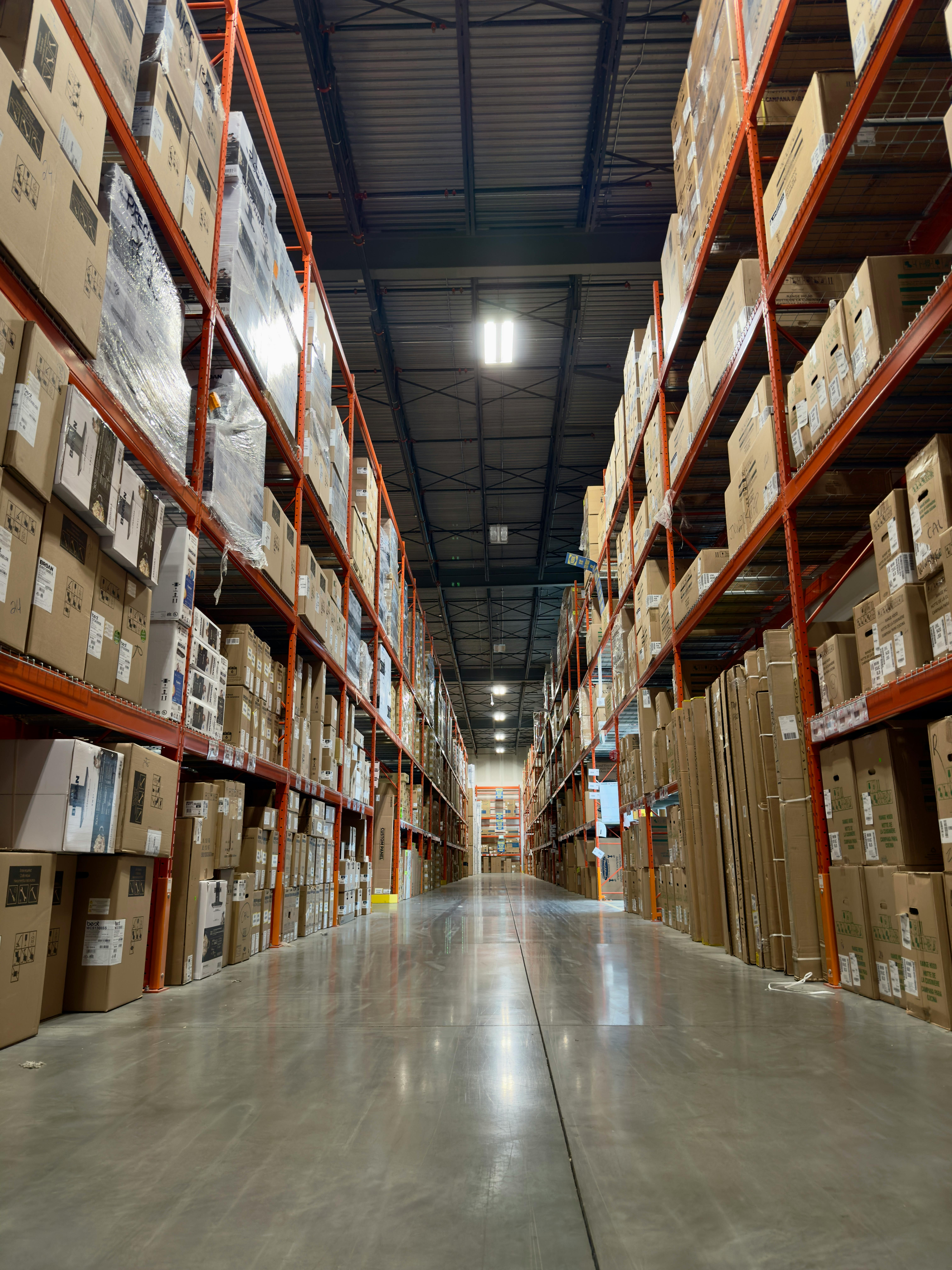
Middle-mile logistics refers to the movement of goods between warehouses, distribution centres, and transport hubs. In a country like Australia, where freight frequently travels significant distances between cities and regional centres, efficient middle-mile logistics is essential for positioning inventory closer to end customers before last-mile delivery begins.
Effective middle-mile logistics reduces idle dwell time, prevents congestion between facilities, and optimises fleet utilisation. It serves as the critical bridge between first-mile delivery and last-mile delivery, ensuring freight is strategically located to meet delivery deadlines.
When middle-mile operations are supported by advanced logistics technology and supply chain integration, businesses gain greater visibility and control across the entire delivery network.
What Is Last Mile Delivery?
Last-mile delivery is the final stage of the supply chain, involving transportation from a local distribution hub to the customer’s doorstep or business location. It is typically the most visible and most expensive component of multi-mile logistics. Customer expectations surrounding last-mile delivery in Australia continue to rise, driven by e-commerce growth and demand for faster shipping, real-time tracking, and precise delivery windows.
The success of last-mile delivery depends heavily on the performance of first-mile delivery and middle-mile logistics. If upstream processes experience delays or inaccuracies, the last mile becomes reactive and costly. However, when supply chain integration connects all three stages, last-mile delivery becomes predictable, scalable, and brand-enhancing. Seamless coordination between inventory positioning, route optimisation, and driver management ensures a positive customer experience while maintaining cost efficiency.
The Importance of Supply Chain Integration
True supply chain integration unifies first-mile delivery, middle-mile logistics, and last-mile delivery into one intelligent ecosystem. Rather than operating in silos, integrated logistics systems allow procurement, fulfilment, transportation, and returns to function cohesively. This level of coordination enables real-time tracking across the delivery network, faster responses to disruption, and improved service-level management.
In logistics Australia operations, integrated multi-mile logistics allows businesses to dynamically adjust schedules when first-mile delays occur or when last-mile disruptions arise. Inventory can be repositioned, routes can be optimised, and workforce allocation can shift to protect delivery commitments. By leveraging logistics technology and data-driven decision-making, organisations gain the agility required to meet evolving e-commerce logistics demands.
Workforce Management in End-to-End Logistics
While route optimisation and tracking platforms are central to modern logistics technology, workforce management remains equally critical. Driver management, compliance oversight, and labour planning directly affect the reliability of first-mile delivery, middle-mile logistics, and last-mile delivery. In Australia’s growing logistics sector, driver availability significantly influences delivery speed and service consistency.
Effective workforce management strengthens the delivery network by reducing operational disruptions, improving driver retention, and ensuring regulatory compliance. When workforce strategy aligns with multi-mile logistics planning, businesses can scale operations without compromising service levels. In an environment where customer expectations continue to intensify, optimising both people and technology is essential to maintaining competitive advantage.
The Future of Last Mile Delivery in Australia
As e-commerce logistics continues to expand across Australia, the demand for integrated, technology-enabled multi-mile logistics will accelerate. Consumers increasingly expect fast shipping, transparent tracking, flexible fulfilment options, and seamless returns. Meeting these expectations requires advanced supply chain integration, intelligent route optimisation, and coordinated first-mile delivery, middle-mile logistics, and last-mile delivery systems.
The future of logistics in Australia will be shaped by organisations that prioritise end-to-end visibility and operational alignment. Businesses that invest in real-time tracking, scalable workforce management, and fully integrated delivery networks will achieve stronger performance across every mile. Optimising first-mile delivery, middle-mile logistics, and last-mile delivery as one cohesive strategy is no longer optional; it is fundamental to sustainable growth.
HR Logix: Delivering First, Middle, and Last Mile Solutions
HR Logix plays a central role in strengthening multi-mile logistics across Australia by delivering comprehensive first-mile delivery, middle-mile logistics, and last-mile delivery solutions. Rather than focusing on a single stage of the supply chain, HR Logix supports businesses across all three miles with industry-specific logistics solutions tailored to operational requirements.
In the first mile delivery, HR Logix ensures structured freight collection, accurate documentation processes, and reliable entry into the distribution network. Across the middle mile, HR Logix enhances coordination between warehouses, distribution centres, and transport hubs, supporting efficient route optimisation and improved freight positioning nationwide.
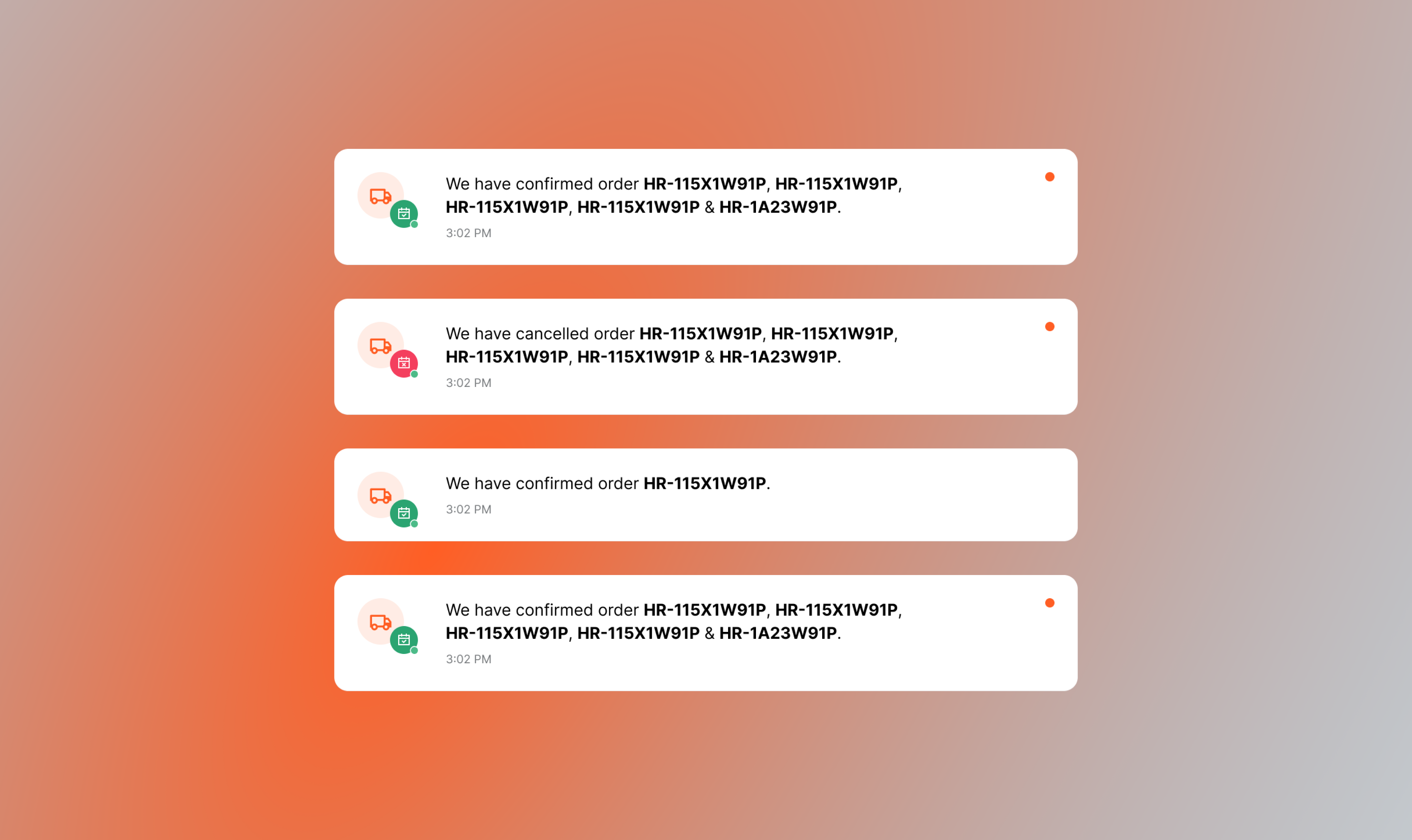
For last-mile delivery, HR Logix provides advanced live tracking and scheduled delivery solutions designed to increase transparency and protect service windows. Real-time tracking capabilities give both businesses and end customers greater visibility across the final stage of delivery, while scheduled delivery systems improve route planning, driver allocation, and on-time performance.
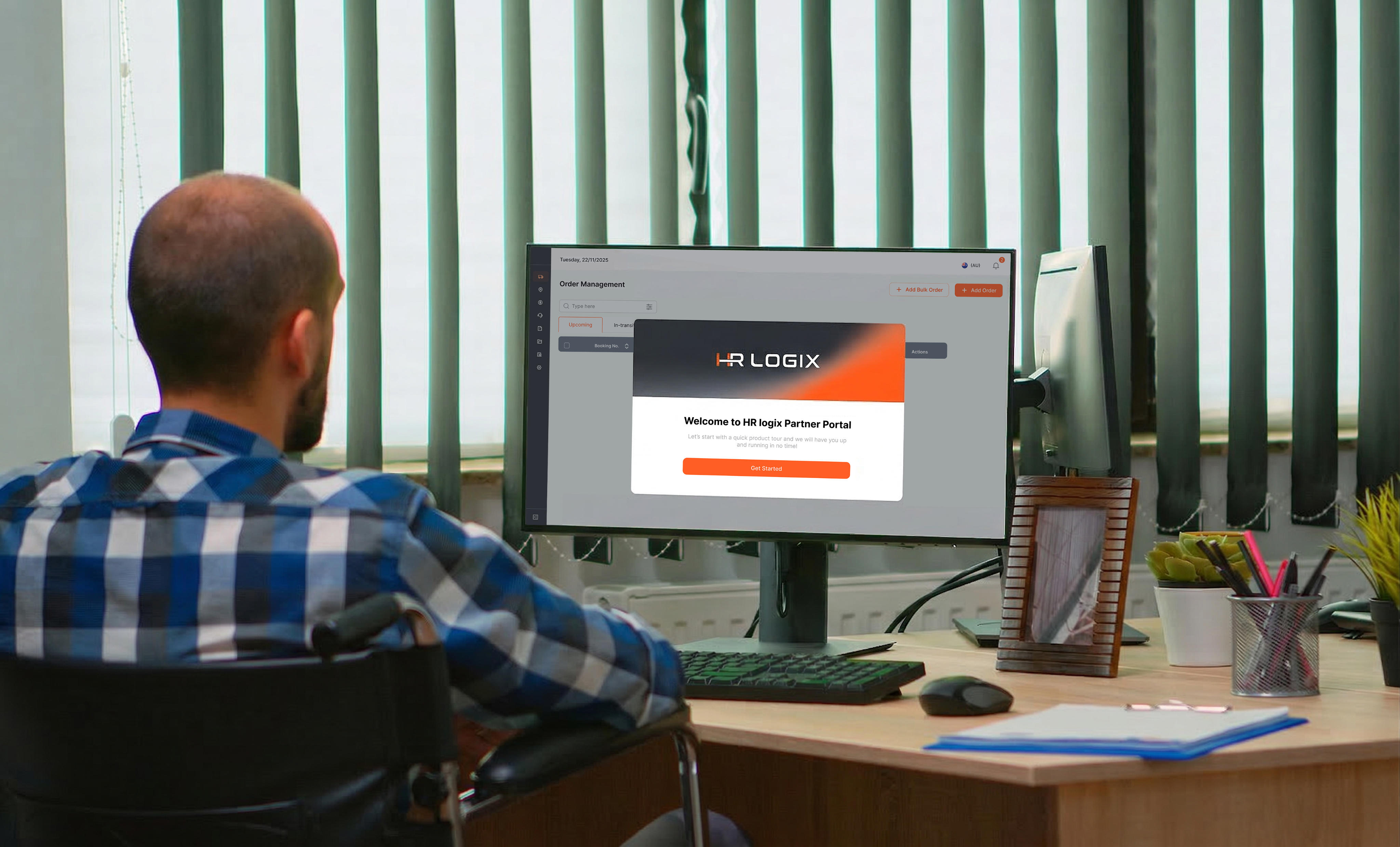
By combining technology with logistics expertise, HR Logix strengthens driver management, compliance oversight, and operational scalability. The result is improved service reliability, reduced inefficiencies, and scalable growth across Australia’s expanding logistics sector.
Partner with HR Logix today to streamline your workforce operations and drive smarter, scalable growth.
Final Thoughts
Last-mile delivery may receive the most attention due to its visibility and cost, but it is only as strong as the first-mile delivery and middle-mile logistics that support it. Companies that embrace end-to-end logistics, strengthen supply chain integration, and implement advanced logistics technology do more than move freight efficiently.
They build resilient, scalable delivery networks capable of meeting Australia’s evolving e-commerce demands. In a rapidly expanding logistics Australia market, success depends on optimising every mile, from origin to doorstep, as part of one unified, intelligent system.