For modern e-commerce brands, customer expectations have never been higher. Fast delivery, accurate orders, and seamless shipping updates are now the standard for a satisfactory shopping experience.
At the same time, online retail is expanding rapidly. According to Shippit’s 2025 State of Shipping Report, events like Black Friday and Cyber Monday saw Australians make 15% more purchases in 2024 as compared to 2023, placing even more pressure on businesses.
This is where e-commerce fulfilment becomes critical. Behind every successful online store is a system that ensures orders move smoothly from checkout to the customer’s doorstep. In this guide, we explain what fulfilment centres are, why they matter, how they work, and how outsourcing fulfilment can help businesses scale efficiently.
What Is a Fulfilment Centre?
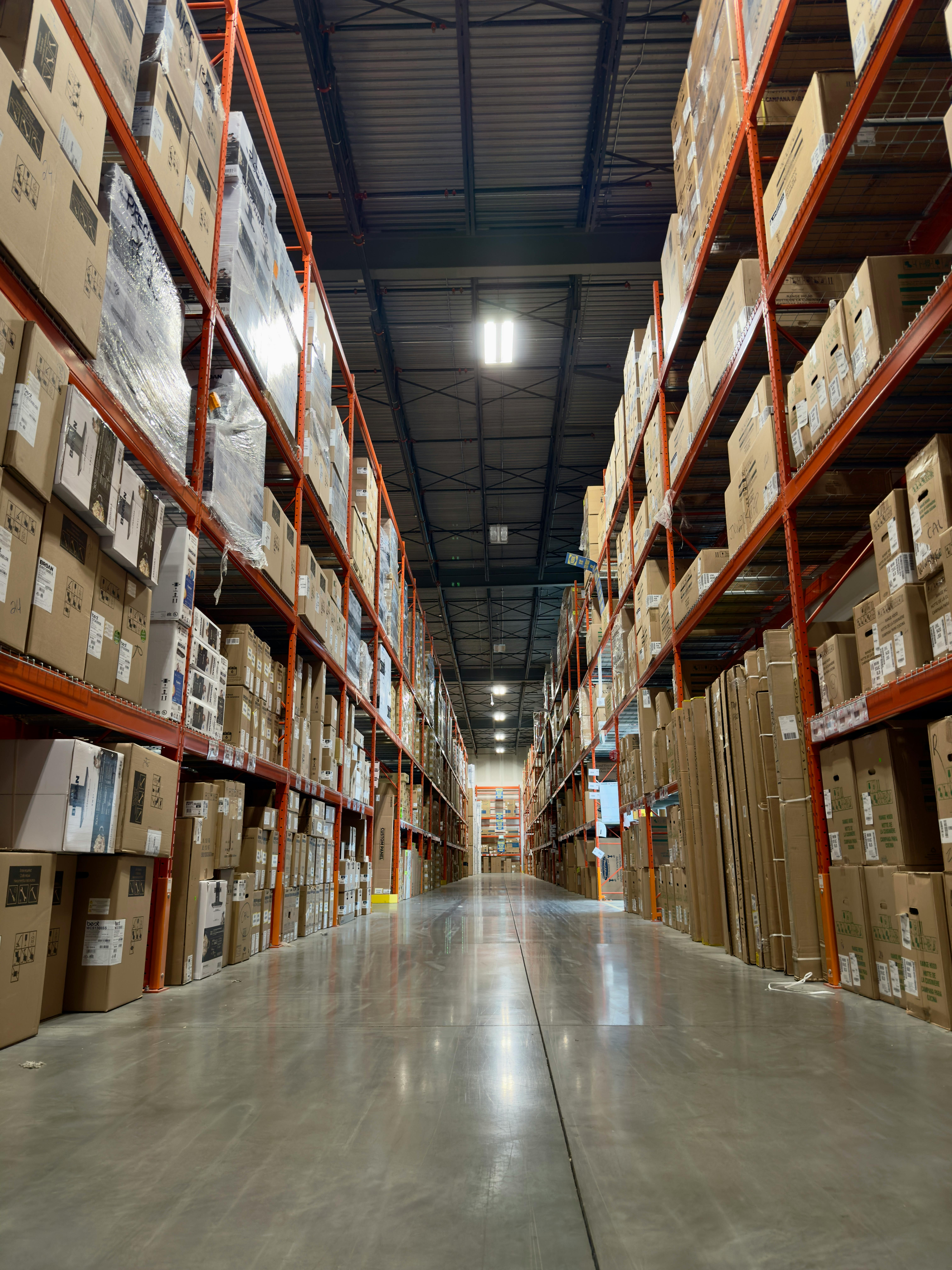
A fulfilment centre is a specialised warehouse designed to store inventory, process orders, pack products, and ship them directly to customers. Unlike traditional warehouses that primarily focus on storage, fulfilment centres are built for speed and efficiency. Their purpose is to move products through the supply chain as quickly and accurately as possible.
When a customer places an order online, a fulfilment centre handles the operational process behind the scenes, ensuring the product is picked, packed, and dispatched on time. For growing brands, fulfilment centres act as the operational backbone of e-commerce logistics, allowing businesses to deliver professional service without managing every step internally.
Why Is Fulfilment Important for E-Commerce
Fulfilment plays a major role in the overall customer experience. Research shows that almost two in three Australians (64%) would not shop again from a brand after a poor delivery experience, highlighting how closely fulfilment is tied to customer loyalty.
The complexity of order fulfilment is often underestimated. Even when each operational step performs well individually, small inefficiencies can significantly impact the final result.For businesses scaling online, maintaining that level of operational consistency internally can quickly become challenging.
What Happens Inside the Fulfilment Process?
From order to dispatch, fulfilment involves several coordinated steps.
1. Inventory Receiving
Products are delivered to the fulfilment centre and logged into inventory systems. Items are organised for quick access and accurate stock tracking.
2. Storage & Inventory Management
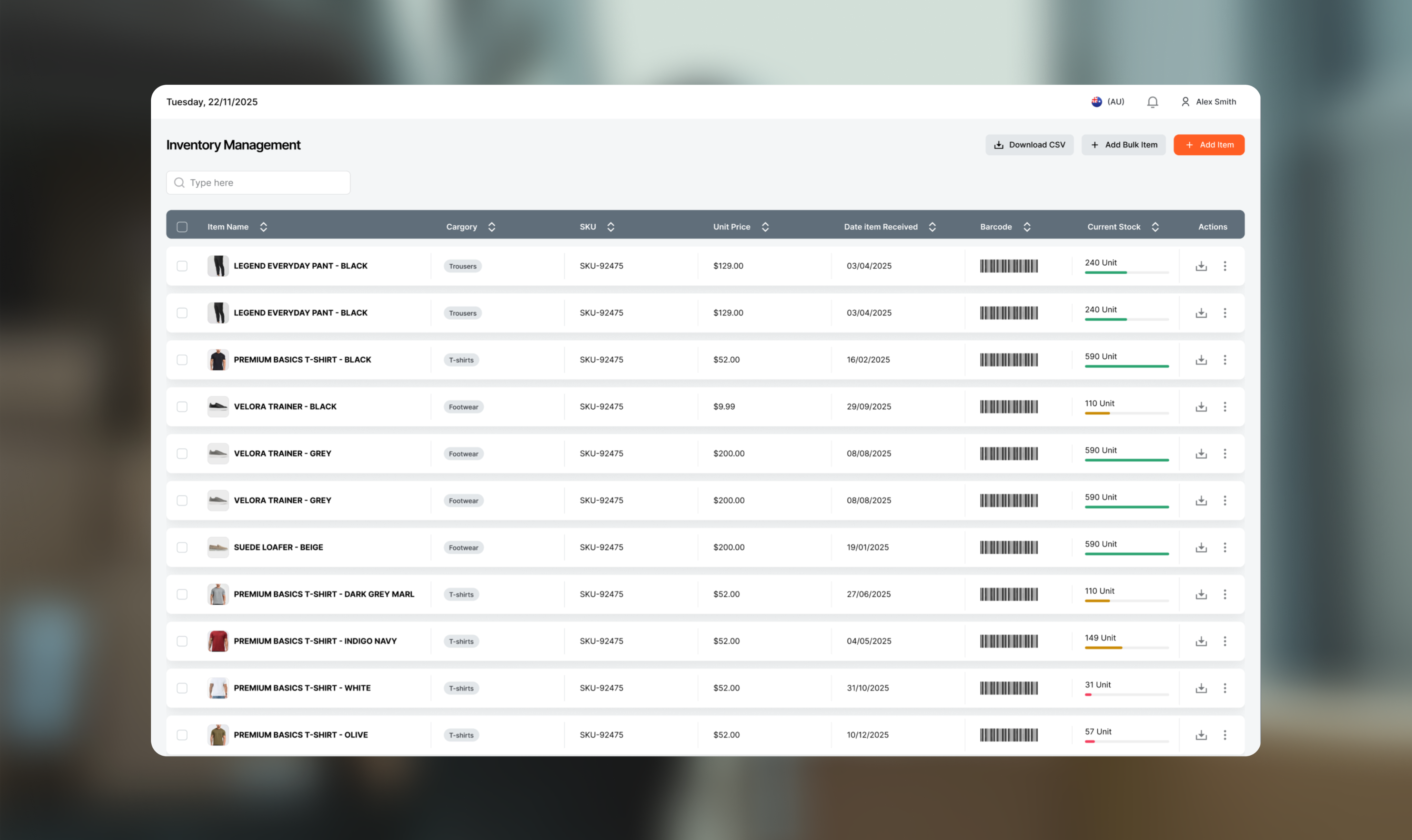
Inventory is stored strategically within the warehouse so popular products can be picked quickly. Modern systems track stock levels in real time.
3. Order Processing
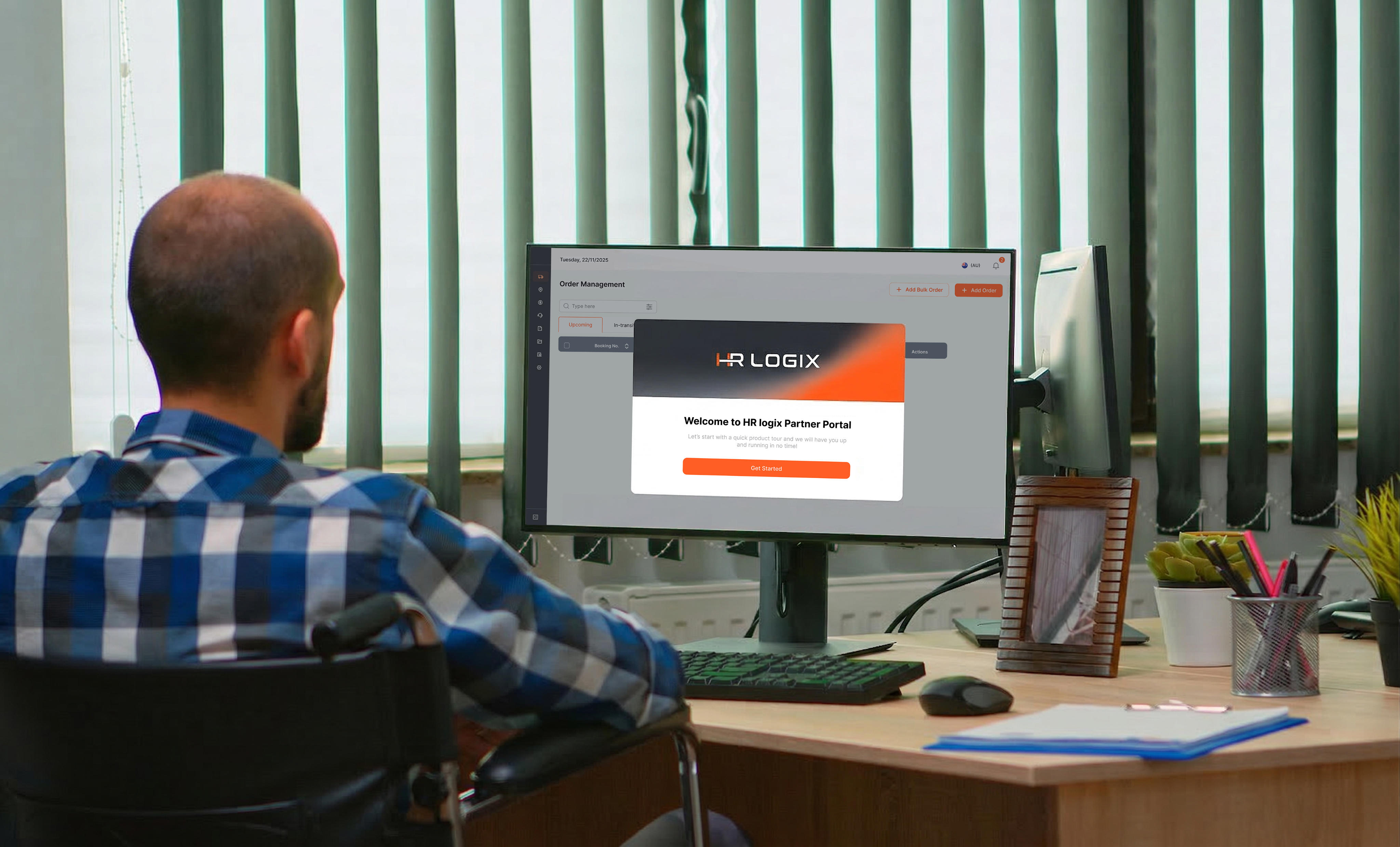
When a customer places an order, it is automatically sent to the fulfilment centre through integrations with platforms like Shopify, Amazon and many others.
4. Picking
Warehouse teams locate the items in the facility and prepare them for packing.
5. Packing
Products are securely packaged, often with custom branding, protective materials, or inserts.
6. Shipping
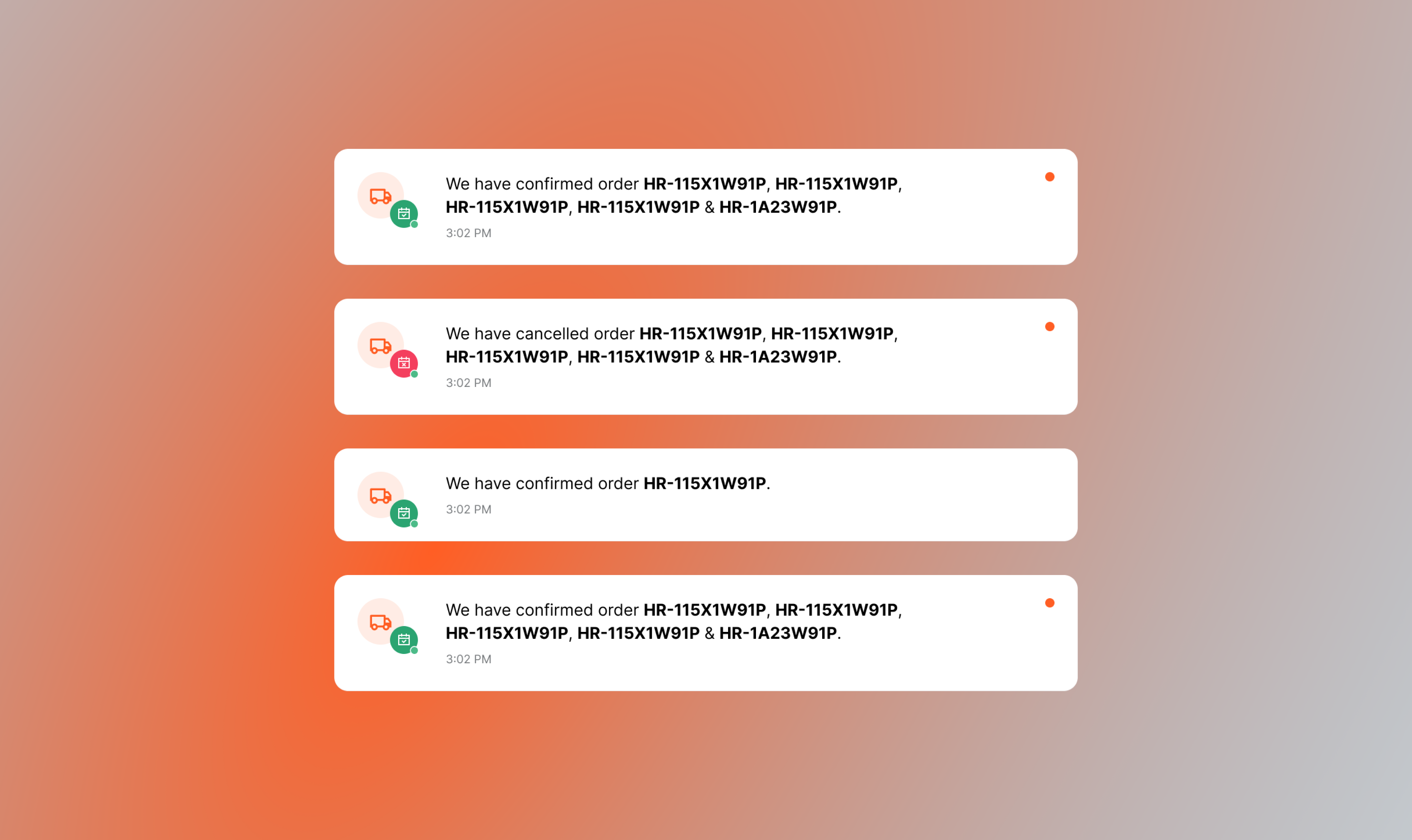
Orders are dispatched through courier networks, with tracking provided to the customer.
7. Returns Management
Returned items are inspected, restocked, or processed according to the retailer’s policies.
These orchestrated steps happen rapidly, often within hours of an order being placed. In fact, while retailers may quote delivery estimates of around 5.2 days, actual delivery times in Australia now average closer to 1.7 days, reflecting how efficient fulfilment operations have become.
Advantages of Outsourced Fulfilment
As order volumes grow, managing fulfilment internally can become expensive and complex. Many brands therefore, partner with third-party logistics providers (3PLs) to handle their fulfilment operations. Some of the key advantages of an outsourced fulfilment centre are-
1. Lower Operational Costs
Running an in-house warehouse requires significant investment. Fulfilment partners spread these costs across multiple clients, allowing businesses to pay only for the services they use.
2. Better Shipping Rates
Because fulfilment providers ship large volumes every day, they can negotiate discounted carrier rates that individual retailers typically cannot access on their own.
3. Scalability During Demand Spikes
Sales periods like Black Friday, Cyber Monday and seasonal promotions can cause sudden spikes in orders. Outsourced fulfilment partners already have the infrastructure, staff, and technology to handle these surges without delays.
4. More Time to Focus on Growth
Perhaps the biggest advantage is operational focus. Instead of managing warehouse operations, brands can dedicate their energy to product development, marketing, and customer engagement.
How HR Logix Supports Modern Fulfilment
At HR Logix, fulfilment is designed as part of a fully integrated logistics solution. Rather than treating warehousing, fulfilment, and logistics as separate services, HR Logix combines them into a single integrated operation that supports businesses of various scales.
Our fulfilment services include:
- Order picking and packing using barcode scanning and automated workflows
- Kitting and assembly for product bundles and promotional packages
- Omnichannel fulfilment across e-commerce marketplaces and retail channels
- Custom packaging to enhance brand presentation and customer experience
- Subscription box fulfilment for recurring deliveries
- Returns management with quick inspection and restocking
With integrations across platforms such as Shopify, Amazon, and other marketplaces, orders flow directly from your store into our fulfilment system, allowing fast and accurate processing.
What Makes HR Logix Different
Choosing the right fulfilment partner is about more than storage and shipping. It requires a provider that understands how logistics supports business growth. HR Logix stands out through a combination of technology, scalability, and integrated logistics expertise.
1. Technology-Driven Operations
- Our fulfilment operations are supported by advanced warehouse systems that provide real-time inventory visibility, automated workflows, and data-driven insights.
2. Scalable Infrastructure
- From start-ups to established enterprises, our systems are built to grow alongside your order volumes without disruption.
3. Accuracy and Speed
- Barcode scanning, system-led processes, and structured workflows help deliver high order accuracy and fast turnaround times.
4. Integrated Logistics
- Because warehousing, fulfilment, and logistics operate under one roof, businesses benefit from a seamless supply chain without fragmented providers.
5. Fulfilment as a Competitive Advantage
- Retailers were once limited by geographic proximity when delivering to customers. Today, modern fulfilment networks allow businesses to reach customers nationwide with speed and reliability.
When managed effectively, fulfilment becomes more than an operational necessity; it becomes a competitive advantage that strengthens customer loyalty, improves delivery performance, and supports long-term growth. For businesses looking to scale their e-commerce operations, partnering with the right fulfilment provider can transform logistics from a challenge into a powerful growth engine.